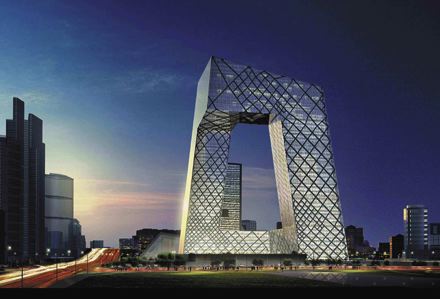
Without question, the most spectacular project is the China Central Television (CCTV) Headquarters in Beijing that is estimated for completion in 2008 and has been designed by Rem Koolhaas and OMA. "It does seem to make sense that the competition for a landmark building of media conglomate CCTV should be won by Koolhaas and His Office for Metopolitan Architecture," the author maintains. "It also makes sense that the competition jurors included architect Arata Isozaki and critic Charles Jencks, who are forever searching for 'new paradigms' in architecture. All the 'star signs' suggest that this building must define something 'new.' This complex is loated on a 10-hectare site in Beijing's newly defined CBD, a notion, like 'suburbia,' unheard of in China just a few years ago. It also among the first of 300 new towers to be built in this CBD. Of a total floor area of 553,000 square meters, 405,000 square meters comprise the CCTV headquarters tower and the remaining 115,000 square meters make up the Television Cultural centre (RVCC.). The CCRV tower includes administration, news, broadcasting, studios and program production - the entire process of TV making is designed as a sequence of interconected activities. The TVCC includes a hotel, a visitors center, and large public theater and exhibition spaces. The CCTV tower, which looks more futuristic thathe TVCC, does possess several new features previously unseen in conventional towers. This 230-meter tall tower is actually a twin-tower, connected on both the ground and at the top as a twisted loop. The irregular grid on the building surface represents, according to the architect, the forces travelling throughout the structure. This design idea would though, be impossibly legible for someone on the street, and it also raises the question of why a Chinese media conglomerate would want to express the structural forces of its building. The juxtapostiion of the fully glazed, hence transparent, building surface with an irregular grid would seem to symbolically reveal the hidden institutional power struggle in a large state-owned organization. It is safe to assume that the Chinese authorities do not interpret this symbolism as a general cry for independent journalism. otherwise the project would not have received the green light. The TVCC is marketed with ahotel tower na dmcultural complex podium; only the matching shapes with the CCTV tower suggest the belong to the same 'newness.' The 'newness' of this Koolhaaas building has triggered debates. The questions raised by Chinese architects range from the structural integrity of its irregular shape to the astronomical costs of the project, and to the apparent lack of decorum shown to Beijing's historical context. Given that almost all the most public projects in China are now won by celebrity foreign architects (which this book clearly shows) some Chinese architects believe that China has become an experimental laboratory for foreign architects, and an 'architectural colonization' is now taking place. All this aside, one more question should have been asked at the outset: when the 'newness' of the CCTV building becomes worn and dated, how will one reconcile such an 'historical style' with the intrinsic nature of the media, which is solely concerned with 'newness.'?"
Chinese Central Television building

Chinese Central Television building

Chinese Central Television building
Chinese Central Television building
Chinese Central Television building
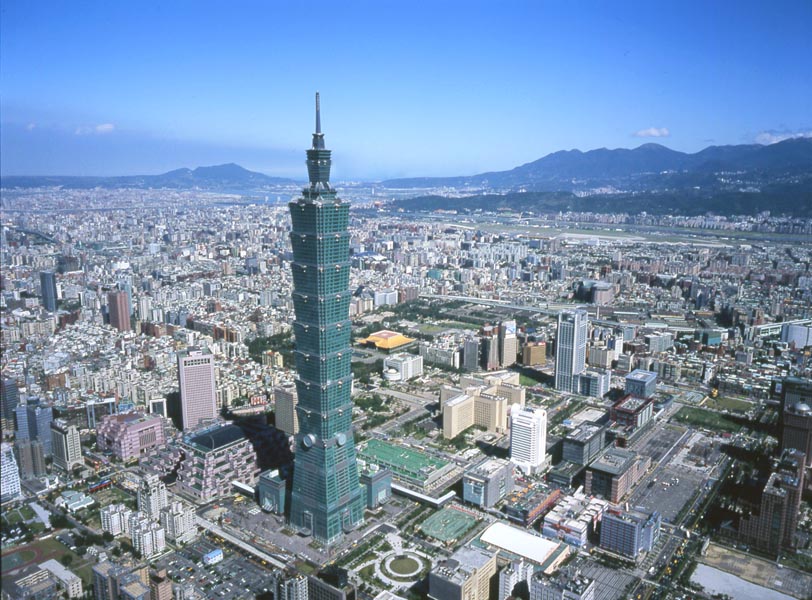
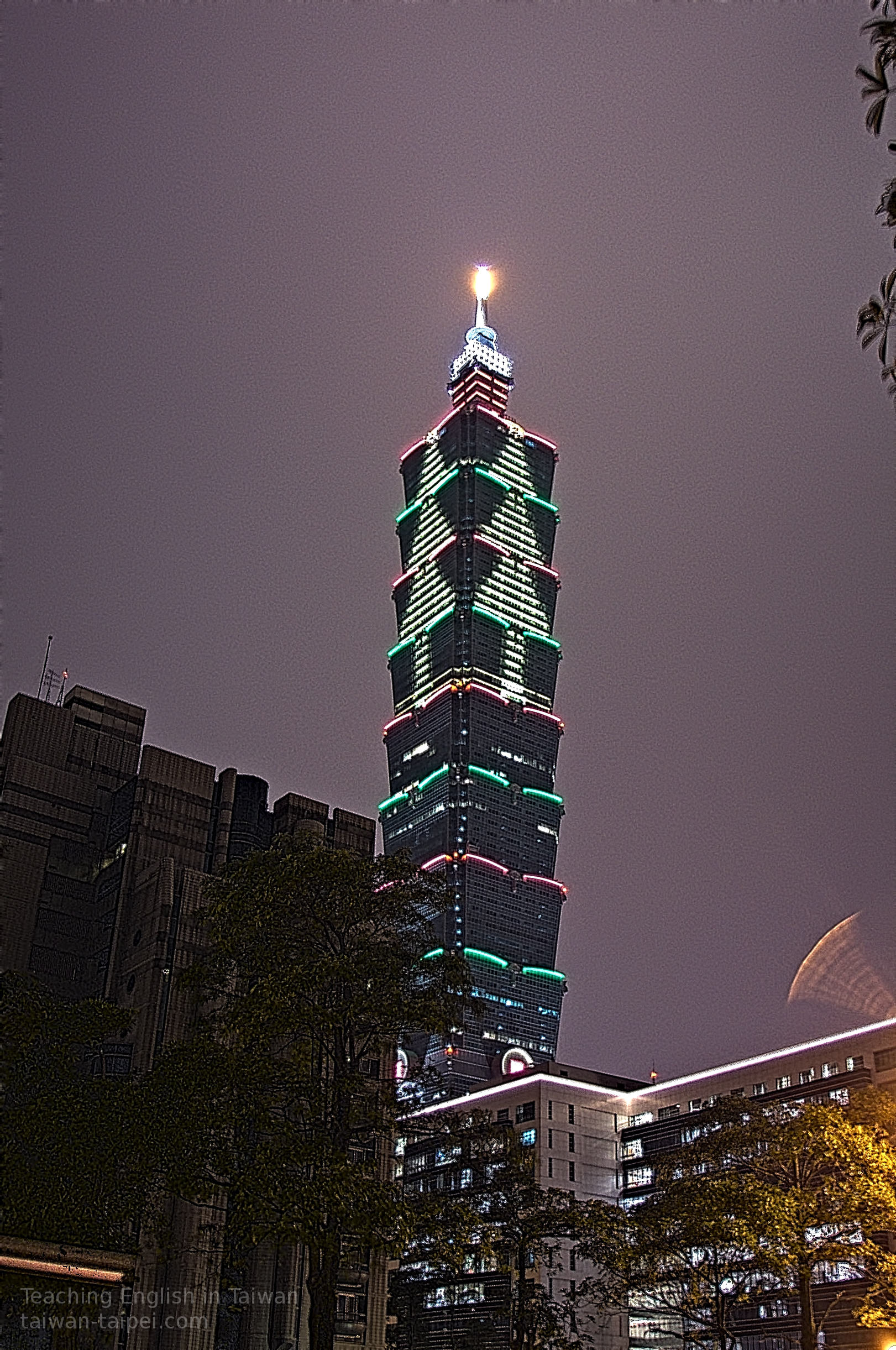
 The Freedom tower is the most symbolic of the new buildings planned for the World Trade Center site. “Incorporating the highest standards of design, safety, engineering and building technology, Freedom Tower will re-establish New York City as the epicentre of high-rise skyscraper design and serve as a symbol of the revitalisation of lower Manhattan. At 1,776ft, Freedom Tower will be over 400ft taller than the twin towers and over 100ft taller than Taipei 101 in Taiwan, currently the world’s tallest building.”
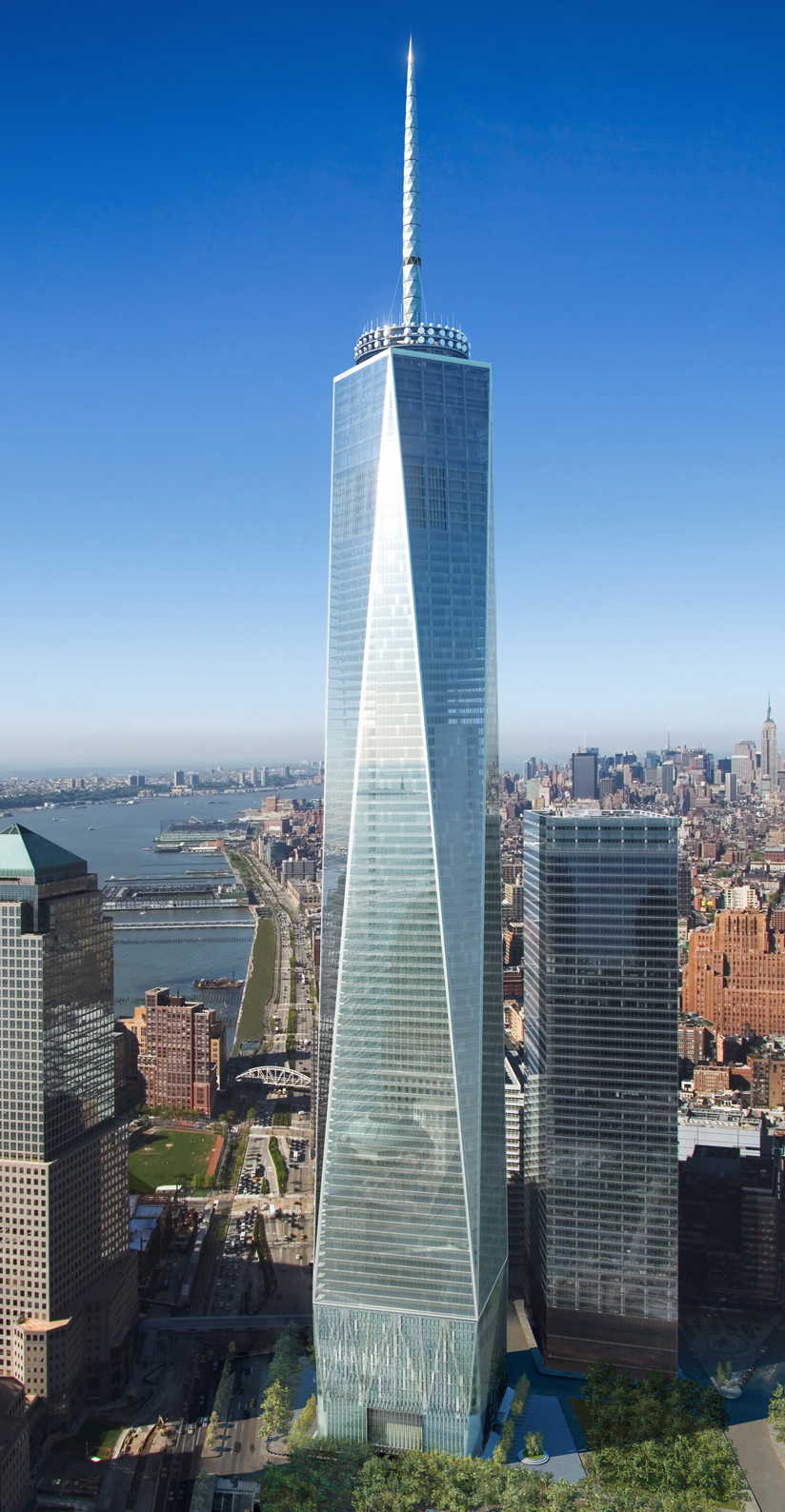 Freedom Tower
 Freedom Tower
 Freedom Tower
 Freedom Tower